Inclusive Retail Design Is Simply Good Design
Inclusive retail design is not a compliance exercise. It should simply be recognised as good retail design. Often accessibility is treated as a box to tick at the end of a project. In reality it should be part of the conversation from day one. When you get the fundamentals right early on you create retail […]
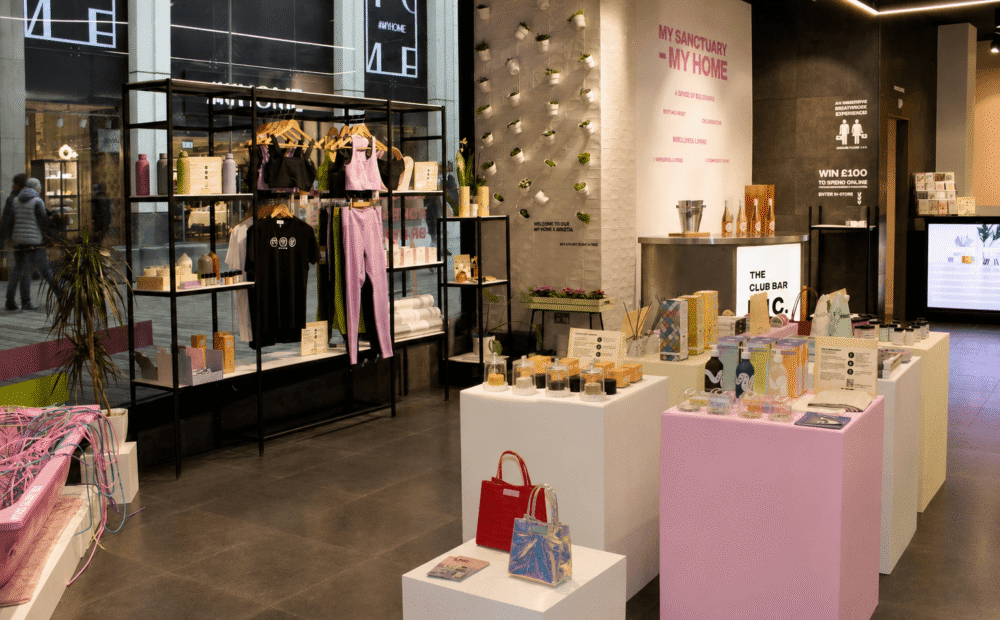
Inclusive retail design is not a compliance exercise. It should simply be recognised as good retail design. Often accessibility is treated as a box to tick at the end of a project. In reality it should be part of the conversation from day one. When you get the fundamentals right early on you create retail environments that are easier to use and more enjoyable for everyone.
The best customer experiences come from thinking about the whole journey. Inclusive design starts before someone even walks through the door. It is about the approach to the entrance, positive first impressions, intuitive wayfinding and creating a space that feels welcoming.
Once inside the store generous circulation spaces and logical layouts help customers move confidently. Reducing visual clutter makes the environment less stressful. This helps neurodivergent customers, parents with pushchairs, older shoppers and anyone who wants an easier retail experience. Products should be easy to see, reach and interact with. Thoughtful lighting and contrast create spaces that feel calm and comfortable.
Technology has an important role to play but it should support good design rather than replace it. Flexible merchandising systems, adaptable store layouts and carefully integrated digital touchpoints help retailers respond to changing customer needs.
One big misconception is that inclusive design and commercial performance compete with each other. The opposite is usually true. Stores that are easier to navigate and more comfortable to spend time in encourage customers to browse with confidence. They leave with a positive impression of the brand.
Here are 5 actionable steps to make your retail space more inclusive:
1. Talk about inclusivity from the very beginning of your project
Making accessibility an afterthought often leads to clumsy fixes that feel out of place. When you discuss inclusive features during your very first planning meetings you build a strong foundation for the entire space. This proactive approach ensures that every design choice naturally accommodates different needs from the start. Getting these basics right early on creates a space that feels instantly comfortable and enjoyable for all your visitors.
2. Think about the customer journey before they even enter the store
The retail experience starts well before a shopper steps through the front entrance. Pay close attention to the exterior approach by providing clear signage, wide pathways and welcoming storefronts. People should immediately understand how to find your store and how to get inside without any confusion. First impressions matter greatly so an inviting exterior sets a positive tone for their entire visit.
3. Keep layouts logical and remove unnecessary visual clutter
A confusing store layout can quickly overwhelm shoppers and push them away. You want to offer generous circulation spaces so people can move around easily without bumping into displays or each other. Clearing away excess signs and keeping decorations simple helps lower stress levels for everyone. This calm approach allows customers to focus on your products while easily finding their way around the shop floor.
4. Make products easy to reach and use thoughtful lighting for comfort
Merchandise does no good if customers struggle to see it or pick it up. Place items at comfortable heights and ensure there is enough space to interact with them safely. You should also rely on good lighting and colour contrast to highlight products without causing glare or eye strain. Gentle lighting creates a calming atmosphere that invites people to linger and browse with confidence.
5. Use technology to support your physical store design
Digital screens and interactive displays should always improve the shopping experience rather than distract from it. Integrate these digital touchpoints carefully so they blend naturally into your physical environment. Using adaptable store layouts and flexible merchandising systems allows you to easily update your space as customer needs change over time. When used correctly technology responds to shopper preferences while keeping the store feeling human and approachable.
As customer expectations evolve inclusive retail design should become a fundamental part of every project. The best retail environments do not draw attention to their accessibility. They simply feel natural and welcoming for everyone who walks through the door.
——–
Are you ready to create a retail space that truly welcomes everyone? At Northbanks we design intuitive and inclusive environments for luxury, fashion, beauty and lifestyle brands. Let us help you get the fundamentals right from day one. Contact our team today to start planning your next retail project.
Keep
in
touch
Subscribe to our newsletter for latest news and industry trends.
Sign up here