Store Design
How to Create a Stand-Out Retail Environment
Feature: Store Design – How to Create a Stand-Out Retail Environment
Contributor: James North, Founder, Northbanks
Q1. What makes a store design truly stand out in today’s retail landscape?
A stand-out store design connects brand purpose with shopper emotion. It’s not about filling a space beautifully, but shaping how people feel when they enter it. The best schemes build a dialogue between shoppers and the brand. For us, success lies in the details – the way light hits a surface, how materials invite touch, how flow guides discovery.
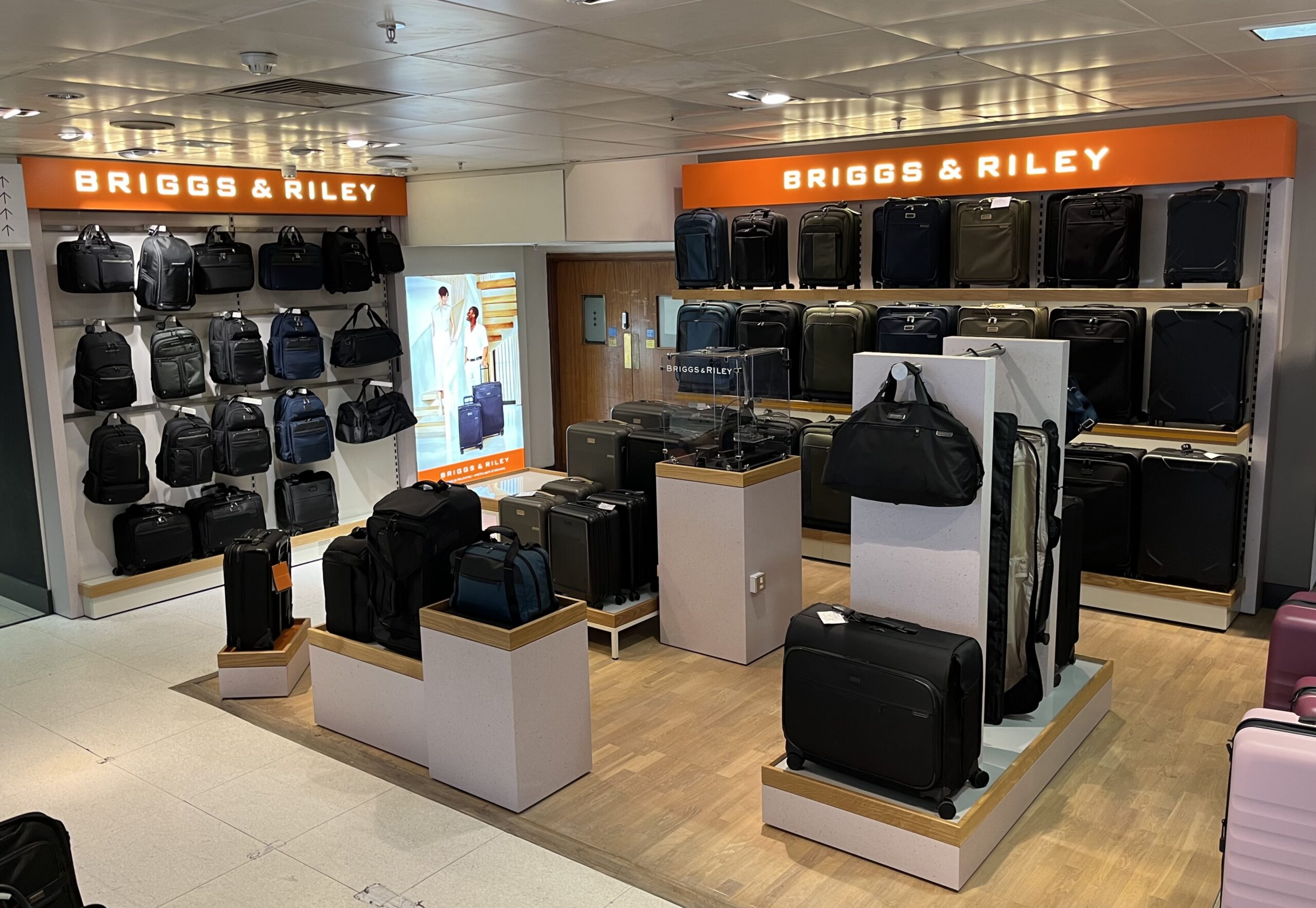
In projects like Briggs & Riley at Selfridges, we balanced luxury tactility with subtle motion and storytelling to make every interaction purposeful. When design and brand storytelling align, shoppers don’t just buy a product – they buy into the brand’s world. That emotional connection builds long-term loyalty, turning casual visitors into advocates.
Q2. How do you balance creativity and commercial performance?
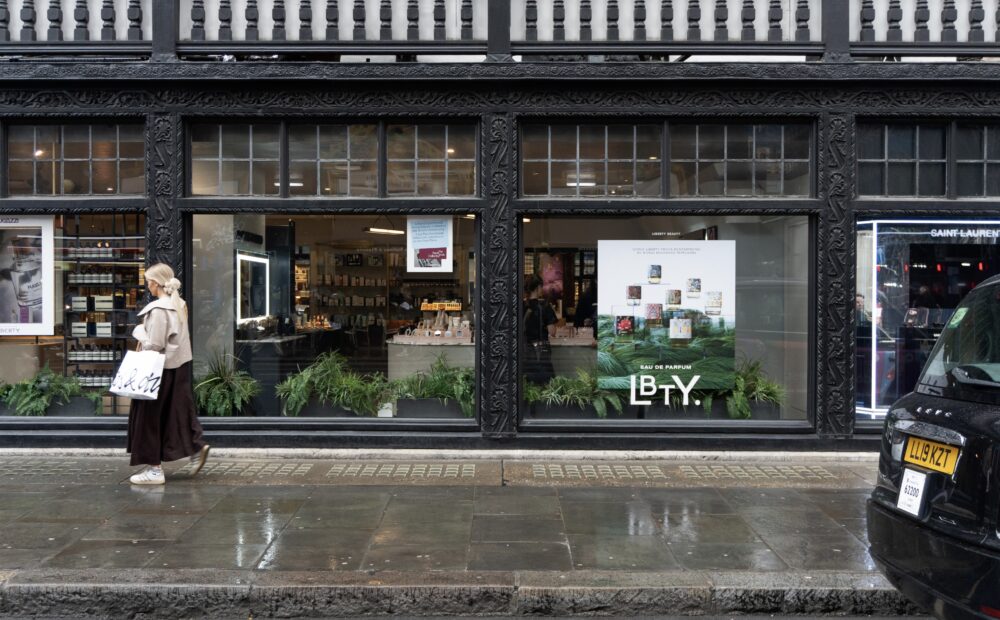
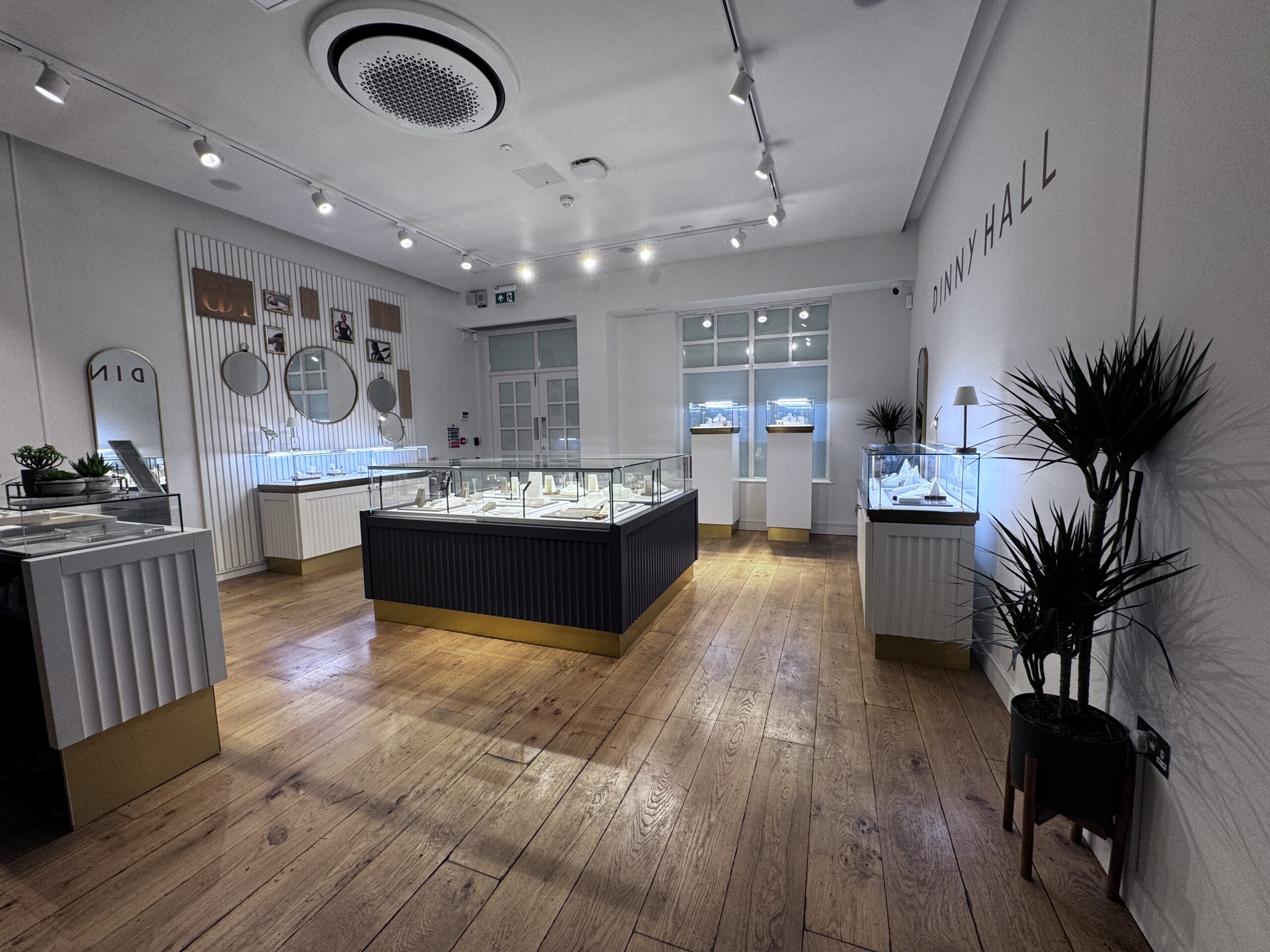
Every creative choice must serve both brand expression and retail efficiency. At Northbanks, we start by asking: What must this space achieve? Then we build backwards through design. For Dinny Hall at Bicester Village and Liberty, that meant creating an elevated, timeless aesthetic that could flex to different footprints and shopper profiles – maintaining the brand’s craft story while improving conversion and dwell time. Every display, fixture, and layout decision is driven by measurable performance, without losing the artistry that defines the brand.
Q3. How are sustainability and material innovation influencing your design approach?
Sustainability has moved beyond compliance; it’s a creative driver. We use materials not just for visual effect but for ethical impact. In our Briggs & Riley fixture programme, for example, we integrated FSC-certified oak and Foresso recycled surfaces, proving premium can also mean responsible. Our Ecologi partnership underpins this ethos – over 1,500 trees planted and counting.
Equally, our Alex Monroe award-winning POS suite demonstrates that sustainable design and storytelling can coexist beautifully – using recyclable substrates and modular construction to create an adaptable display system that celebrates craftsmanship while reducing waste. Each project becomes an opportunity to design with legacy, not landfill.
Q4. How does NORTHBANKS adapt designs for different retail formats and markets?
Flexibility is key. From Soho, London to Soho, New York, we design systems that translate across scale – from flagship stores to pop-ups and concessions. Projects like Astley Clarke, Givenchy and Boucheron demonstrate how modularity and material storytelling can keep identity consistent without repetition. Each touchpoint carries the same brand essence but adapts to its environment. We call it “agility without compromise.”
Q5. What trends are shaping the next generation of store design?
The next wave is about experience per square metre. Brands are blending retail, hospitality, and digital immersion to create memorable human moments. Think smaller footprints, smarter storytelling, and experiential layers that reward curiosity. Shoppers no longer want to be “sold to” – they want to belong. Great store design turns that into reality, merging craft, sustainability, and connection in every square inch.
Feature: Store Design — Creating Spaces That Connect
Contributor: Monique Walcott, Client Development Lead, Northbanks
Q1. What makes a store design truly stand out in today’s retail landscape?
The most memorable stores do more than look beautiful – they connect. Shoppers today expect authenticity, emotional warmth, and a sense of purpose behind the design. At Northbanks, we build from the brand’s DNA outward, translating its values into an experience you can feel.
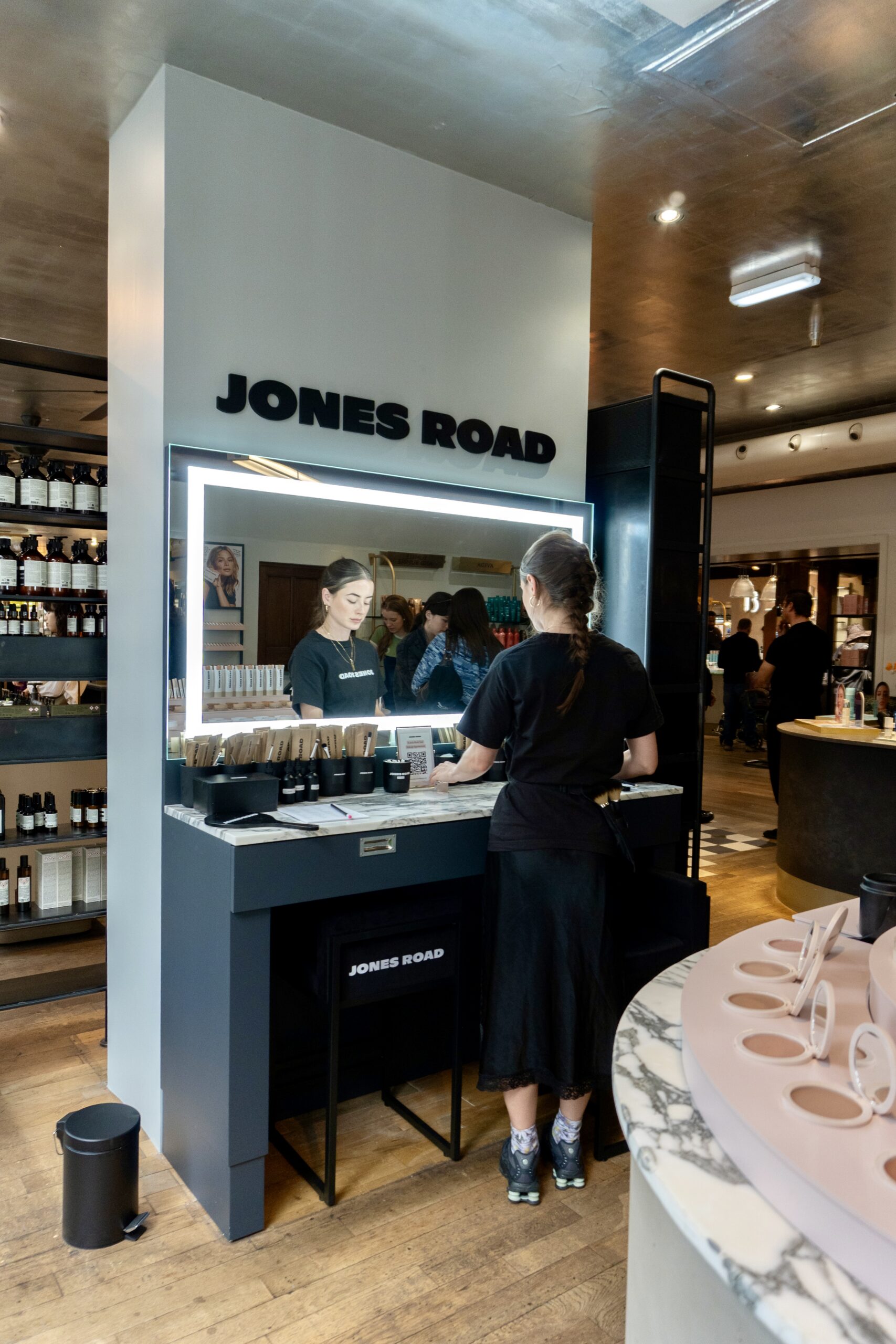
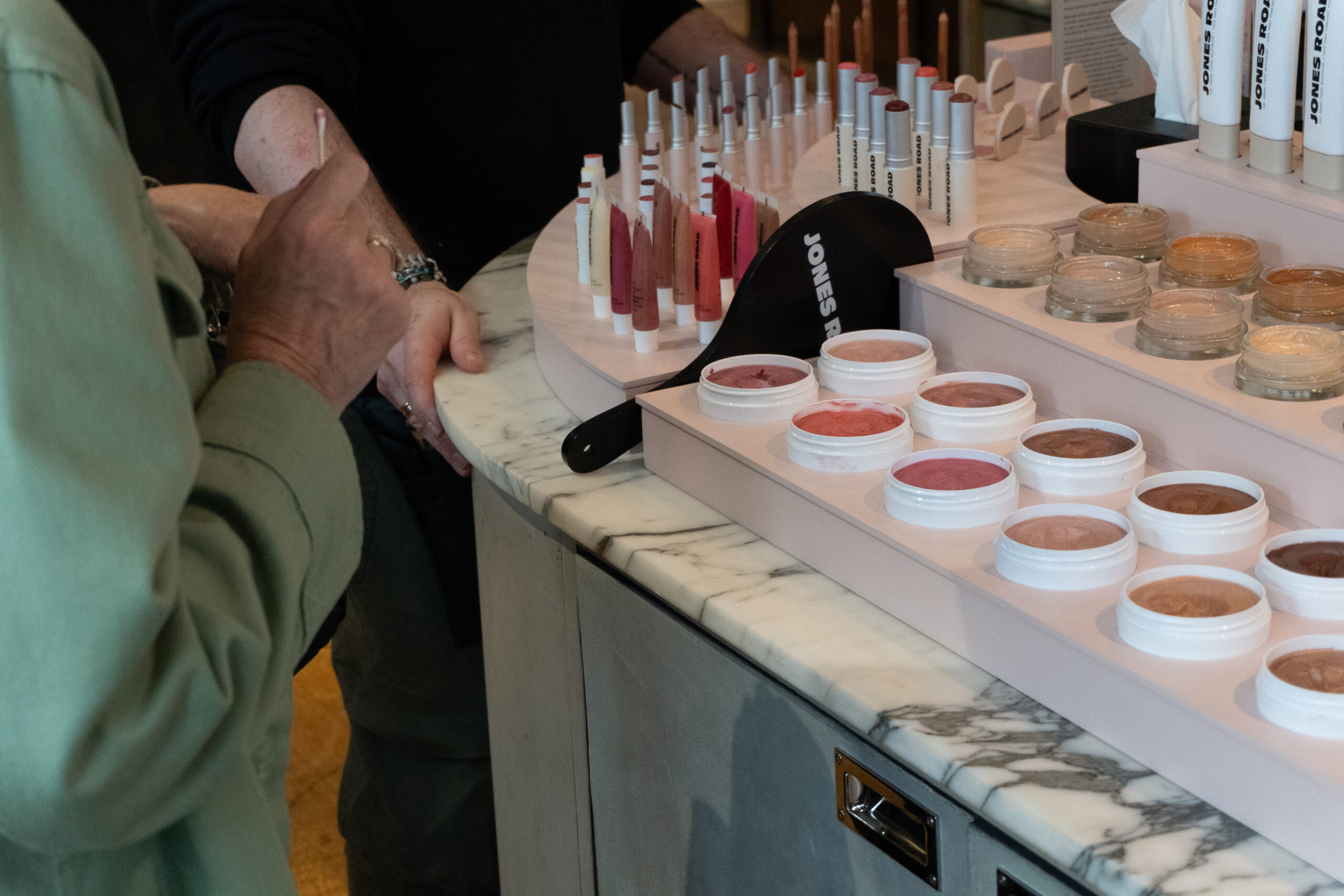
In our Jones Road Beauty concession at Liberty, that meant turning a compact space into a calm, tactile environment that reflected the brand’s confidence and simplicity, while inviting genuine interaction. The space also had to work seamlessly for the brand ambassadors and retail team – intuitive flow, smart product access, and functional lighting ensured the design performed beautifully for both the shopper and those running it daily.
Q2. How do you balance creativity and commercial performance?
For us, creative impact and commercial return are inseparable. Every surface, fixture, and touchpoint needs to justify its space – both visually and operationally. Our Dinny Hall boutiques at Liberty and Bicester Village balance handcrafted charm with retail efficiency: modular layouts, adaptable displays, and refined storytelling that all help drive engagement and sales without ever feeling forced. It’s about design that earns its keep and performance that feels effortless.
Q3. How are sustainability and material innovation influencing your design approach?
Sustainability shapes nearly every creative conversation now, and rightly so. Brands want to show responsibility through design, not just say it. At Northbanks, we approach material selection as a storytelling tool – blending longevity, texture, and ethics. For Briggs & Riley at Selfridges, we used FSC oak and Foresso recycled surfaces, proving sustainable materials can still feel premium.
Our Alex Monroe POS suite is another example – an award-winning collection of displays using eco-friendly materials, modular build, and recyclable substrates that echo the brand’s handcrafted jewellery ethos. Our Ecologi partnership amplifies this, planting trees for every project delivered and ensuring design contributes positively beyond the store.
Q4. How does NORTHBANKS adapt designs for different retail formats and markets?
Adaptability is essential, especially for brands expanding across markets. We design systems that flex between pop-ups, flagships, and concessions — maintaining identity while respecting local context. Projects like Astley Clarke in Covent Garden and Astrid & Miyu in Carnaby Street show how a consistent brand feel can translate through colour, material, and experience, even when space and audience change dramatically.
We call this our “red thread” approach — weaving one common theme throughout all of a brand’s touchpoints so a shopper knows they’re in that brand’s world, whether it’s a pop-up in London, a shop-in-shop in Galeries Lafayette Paris, or a flagship in Manhattan, New York.
Q5. What trends are shaping the next generation of store design?
Brands are rediscovering the power of physical connection. The future isn’t just digital – it’s hybrid, emotional, and purposeful. We’re seeing more emphasis on community, storytelling, and interactive design – spaces that feel alive rather than static. Whether through craftsmanship, sustainability, or immersive tech, the next generation of store design will make every visit count by reminding shoppers why physical retail matters.
Feature: Store Design – Shaping the Future of Brand Experience
Contributor: James North, Founder & Managing Director, Northbanks
Q1. When working on a store design concept, how do you translate a brand’s identity into a physical store environment?
Every brand has a rhythm – a set of cues, tones, and textures that define how it should feel. Our role is to decode that DNA and turn it into something people can step into. For Dinny Hall and Astley Clarke, that meant crafting spaces that feel handcrafted, intelligent, and quietly luxurious – spaces that mirror the product story without overwhelming it. We start with the brand’s purpose and audience, then build a sensory journey that reinforces both emotionally and commercially.
Q2. How do you ensure a store design feels unique to the brand rather than following industry trends?
We believe trend-led design often dates quickly. Instead, we look for authenticity – what’s true to the brand, not what’s fashionable. With Briggs & Riley at Selfridges and John Lewis, we focused on timeless materiality, structure, and form. The design cues are subtle but distinct – refined joinery, purposeful lighting, and a balance of premium craftsmanship and modern practicality. A store should never chase trends; it should set its own visual language.
Q3. How do you approach sustainable material sourcing and environmentally conscious design when working on a store design brief?
Sustainability isn’t a layer we add at the end – it’s built into the design logic from day one. We prioritise FSC-certified timber, recycled and low-VOC finishes, and modular systems that can be reused or reconfigured across sites. For Briggs & Riley, we used Foresso surfaces made from timber offcuts and recycled paper pulp, proving that circular materials can still feel luxury.
Our Alex Monroe award-winning POS suite also reflects this mindset – delivering elegant, low-impact fixtures crafted from sustainable substrates, celebrating both brand craft and environmental consciousness. Our Ecologi partnership adds another layer of purpose, with every project contributing to reforestation and carbon reduction initiatives.
Q4. How do lighting, sound, scent, and materials contribute to the overall in-store experience?
Store design works on the senses before the conscious mind catches up. Lighting defines tone, scent anchors memory, and materials influence pace and perception. At Jones Road Beauty in Liberty, we created a calm, tactile environment with layered lighting and warm neutrals that reflected the brand’s minimalist confidence. The best retail spaces orchestrate these sensory layers so customers feel something genuine before they even realise why.
Q5. What trends do you see shaping retail design over the coming years?
Retail is becoming more hybrid, human, and narrative-led. Smaller footprints, multi-sensory storytelling, and sustainable craft are replacing scale for scale’s sake. We’re designing for experience per square metre – spaces that blend commerce with community, digital with tactile, and purpose with beauty. The future of retail isn’t louder; it’s more intentional.
Feature: Store Design – Creating Spaces That Connect People and Brands
Contributor: Monique Walcott, Client Development Lead, NORTHBANKS**
Q1. When working on a store design concept, how do you translate a brand’s identity into a physical store environment?
It starts with listening. Every brand has a story, a pace, and a level of confidence that should come through in the space. Our job is to interpret that narrative so it feels natural to the shopper. With Jones Road Beauty at Liberty, we worked closely with the client to distil their calm, effortless identity into a tactile environment that reflects who they are – approachable, transparent, and confident. The design also had to perform practically, supporting brand ambassadors and retail staff with efficient layouts, storage, and product accessibility. A store should be a living extension of the brand – its physical manifestation.
Q2. How do you ensure a store design feels unique to the brand rather than following industry trends?
Trends fade, but authenticity lasts. We always begin with what makes the brand distinctive – their tone of voice, materials, and customer relationship – and design around that. For Dinny Hall at Bicester Village and Liberty, we focused on the brand’s heritage and craftsmanship rather than copying current “luxury” codes. The result feels both timeless and personal. Good design doesn’t chase trends; it reflects truth.
Q3. How do you approach sustainable material sourcing and environmentally conscious design when working on a store design brief?
Sustainability has become a non-negotiable expectation from clients and shoppers alike. At Northbanks, we view it as an opportunity to innovate rather than a constraint. For Briggs & Riley at Selfridges, we sourced FSC-certified timber and Foresso recycled surfaces to deliver a luxurious yet responsible aesthetic. Beyond materials, we prioritise modularity and reuse – designing systems that adapt and travel, rather than end up in landfill. Our Alex Monroe POS suite followed this principle – designed for longevity, modularity, and circularity, setting a new standard for sustainable storytelling.
Q4. How do lighting, sound, scent, and materials contribute to the overall in-store experience?
These sensory layers create the emotional temperature of a store. Lighting shapes mood, scent builds memory, and materials communicate honesty. At Astley Clarke in Covent Garden, we used warm illumination and soft textures to support a feeling of understated luxury and intimacy. When those sensory details are aligned, shoppers feel calm, welcome, and connected – and that’s what keeps them returning.Q5. What trends do you see shaping retail design over the coming years?
The future of retail is about connection, not spectacle. Brands are rediscovering the value of community – smaller spaces, multi-purpose design, and more meaningful interactions. We’re seeing a shift toward flexible formats, sustainable storytelling, and the blending of retail, hospitality, and experience. The best stores of tomorrow will make every square metre matter – emotionally and environmentally.
Keep
in
touch
Subscribe to our newsletter for latest news and industry trends.
Sign up here