Display Systems
Retail display systems have undergone a remarkable evolution over the years, transforming from simple shelving units into sophisticated fixtures designed to captivate and engage consumers.
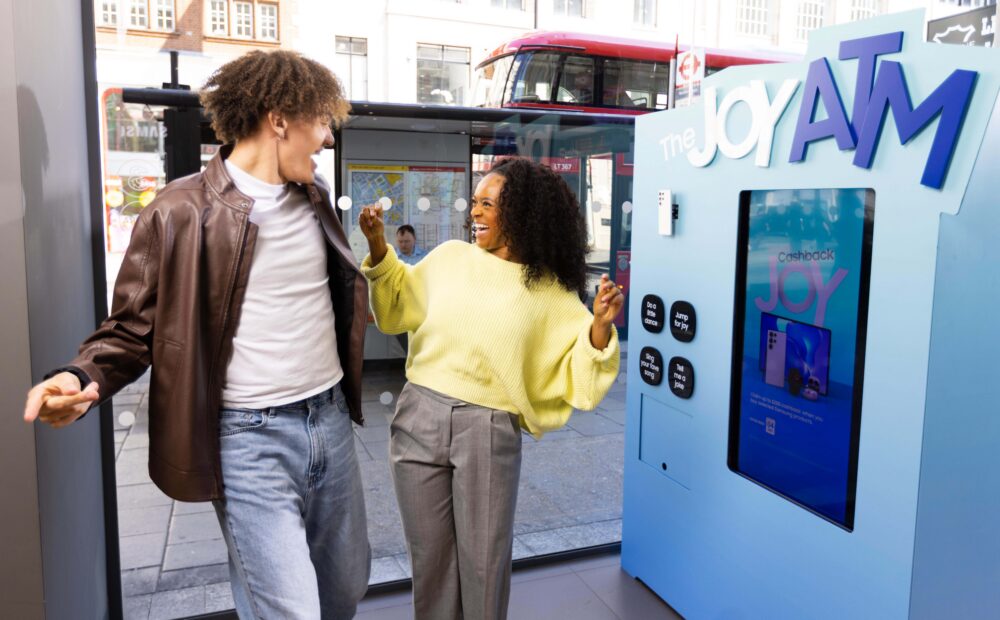
Retail display systems have undergone a remarkable evolution over the years, transforming from simple shelving units into sophisticated fixtures designed to captivate and engage consumers. This evolution reflects the growing understanding of the crucial role visual merchandising plays in influencing purchasing decisions and building brand loyalty.
In the early days of retail, displays were primarily utilitarian, focused on efficient product storage and accessibility. However, as competition intensified and consumer preferences evolved, retailers recognized the need to create immersive shopping experiences. This realization led to the birth of innovative display systems that combine aesthetics with functionality.
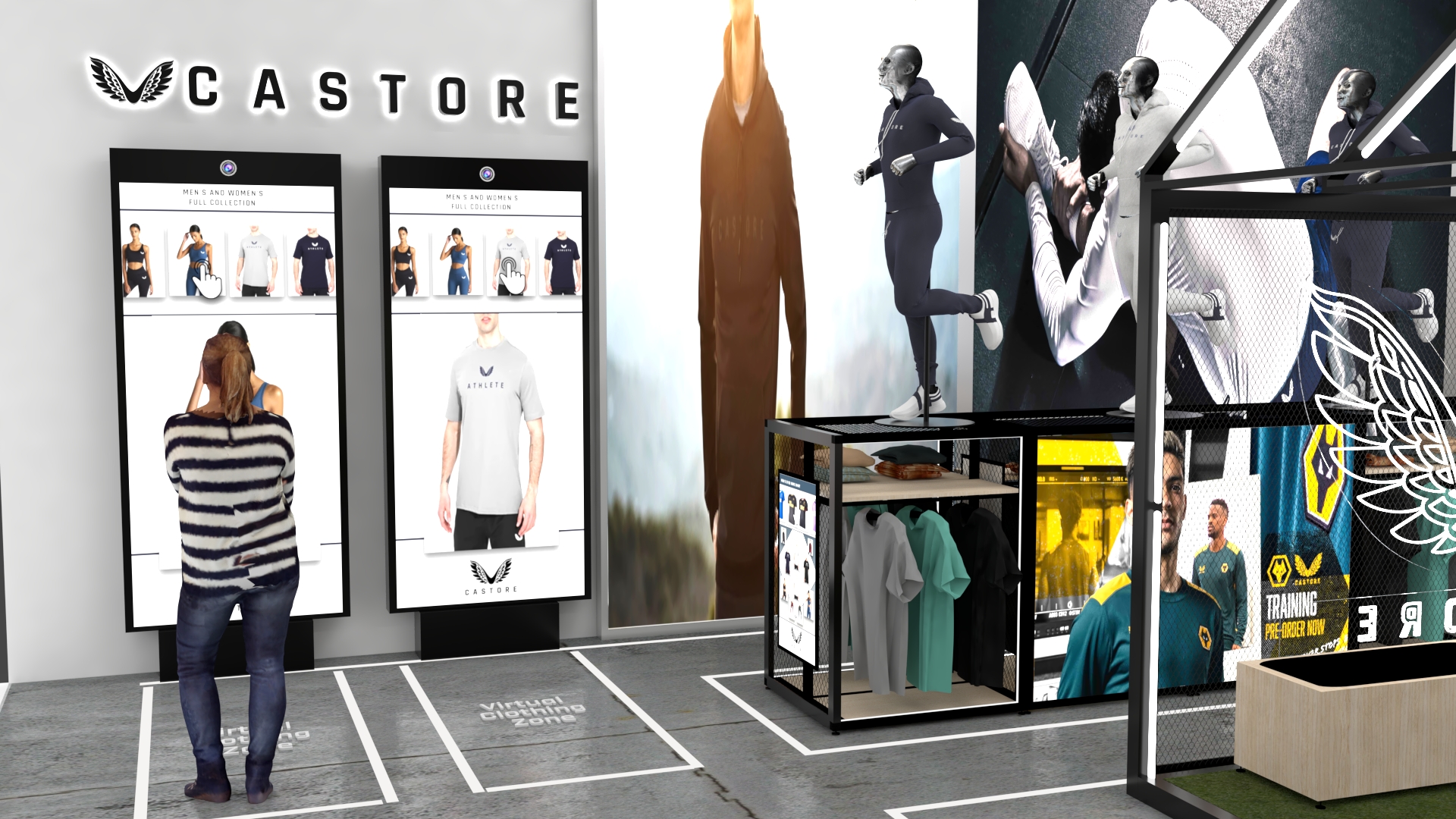
The shift towards experiential retail has given rise to various display technologies. Digital signage, for instance, enables retailers to showcase dynamic content and real-time information. Augmented reality (AR) and virtual reality (VR) have taken things a step further, allowing customers to virtually interact with products before making a purchase. These technologies not only create excitement around new products or brands but also provide valuable insights into customer behaviour.
Furthermore, retailers leverage the psychology of visual merchandising to generate hype around new offerings. Endcap displays strategically positioned at the end of aisles draw attention to featured products. Eye-catching window displays entice passers-by, encouraging them to step inside. Pop-up shops and temporary displays generate a sense of urgency and exclusivity, fostering a buzz around limited-time products or collaborations.
Creating hype around a new product or brand requires careful planning and execution. Retailers can use their display fixtures to tell a story, creating a narrative that resonates with their target audience. Incorporating interactive elements, such as touchscreens or QR codes, allows customers to learn more about the product’s features and benefits. Utilizing lighting, colour schemes, and sensory elements further enhances the immersive experience.
Collaborations with artists, influencers, or designers can infuse displays with creativity and uniqueness, generating anticipation and social media buzz. In-store events, workshops, or demonstrations can provide customers with hands-on experiences, building excitement and forging emotional connections.
In conclusion, the evolution of retail display systems underscores their pivotal role in modern retail strategies. From functional shelving to immersive, experiential displays, these fixtures have adapted to changing consumer expectations. By combining innovative technologies, psychology-driven design, and creative storytelling, retailers can effectively generate hype around new products and brands, creating unforgettable in-store experiences that leave a lasting impact on shoppers.
Keep
in
touch
Subscribe to our newsletter for latest news and industry trends.
Sign up here