Expert Comment – Pop-Up Shops Feature
Pop-ups have evolved far beyond being a stopgap or marketing stunt – they’ve become a vital strategic tool in modern retail.
Pop-ups have evolved far beyond being a stopgap or marketing stunt – they’ve become a vital strategic tool in modern retail. For brands navigating an increasingly fluid marketplace, the pop-up is no longer a novelty; it’s an agile format for testing, storytelling, and building community. They offer something retailers increasingly crave – speed, flexibility, and the ability to meet customers where they already are, rather than waiting for them to come to a permanent store.
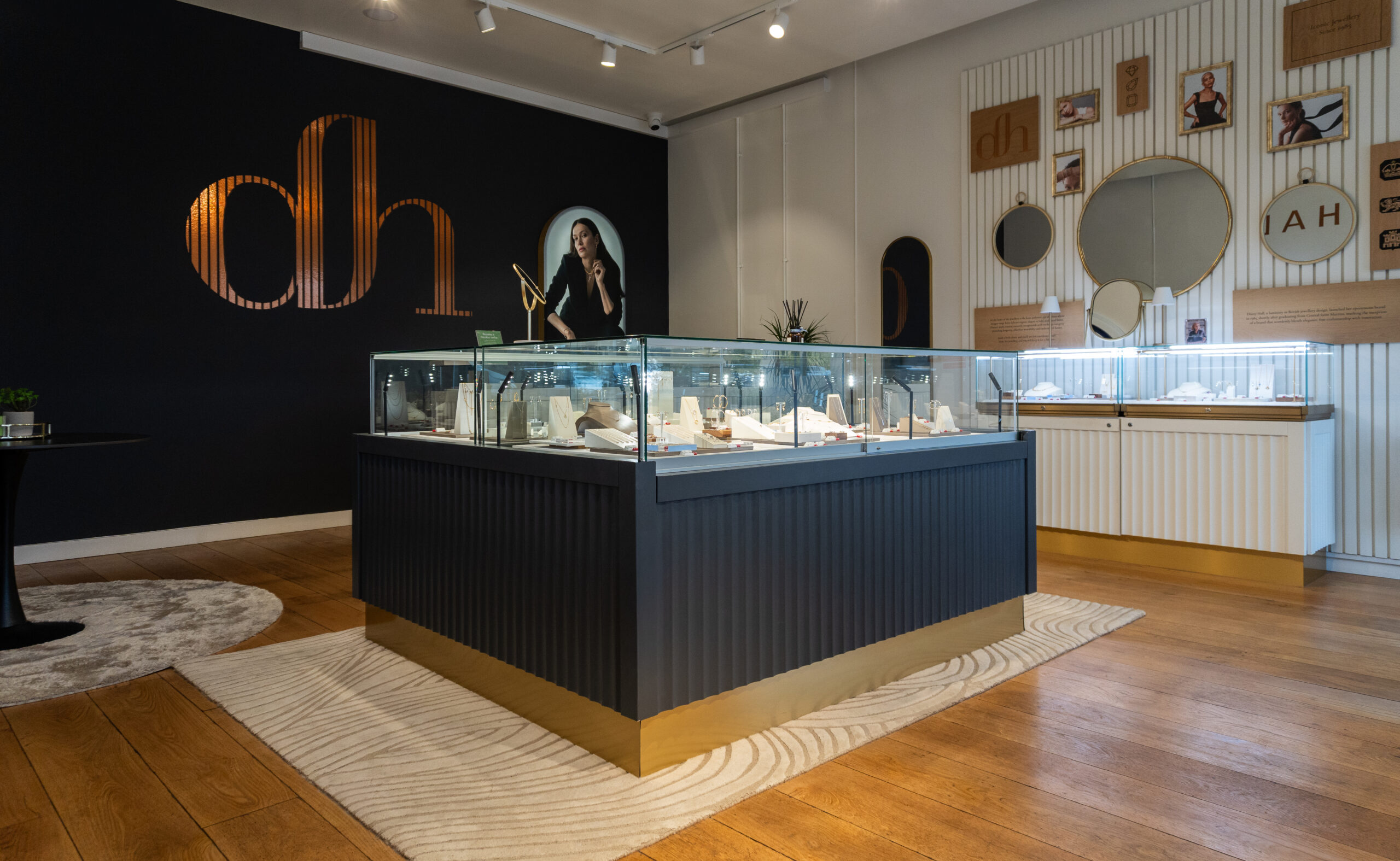
At Northbanks, we’ve seen this shift first-hand through projects such as Dinny Hall’s boutique pop-up at Bicester Village, which served as both a brand statement and a market test ahead of further store expansion. The format allowed us to capture the intimacy of a luxury jewellery experience within a smaller footprint, using refined detailing and modular fixtures to create a polished, high-impact space that could be delivered quickly without compromise.
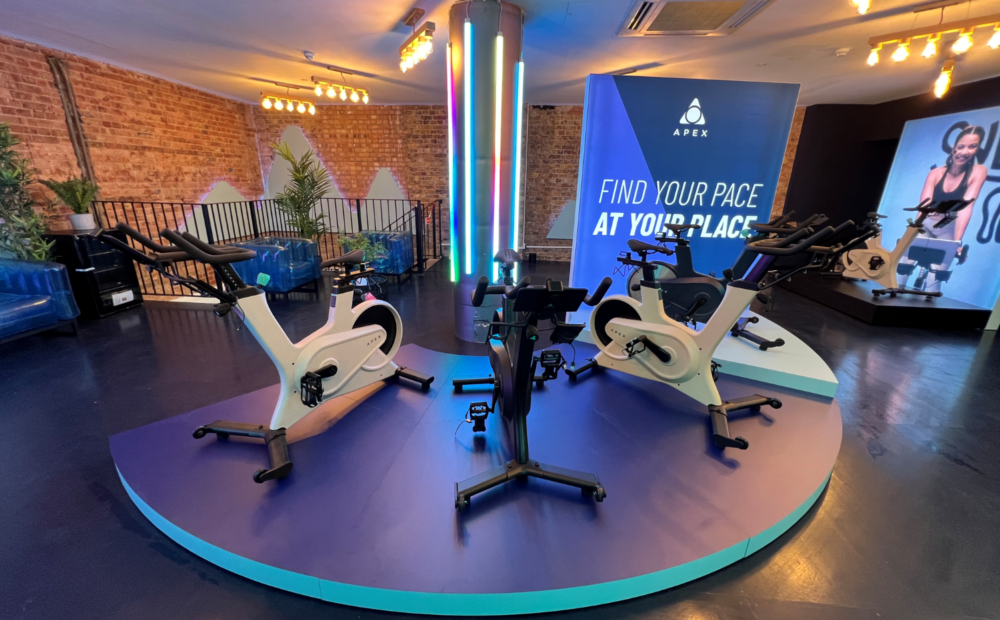
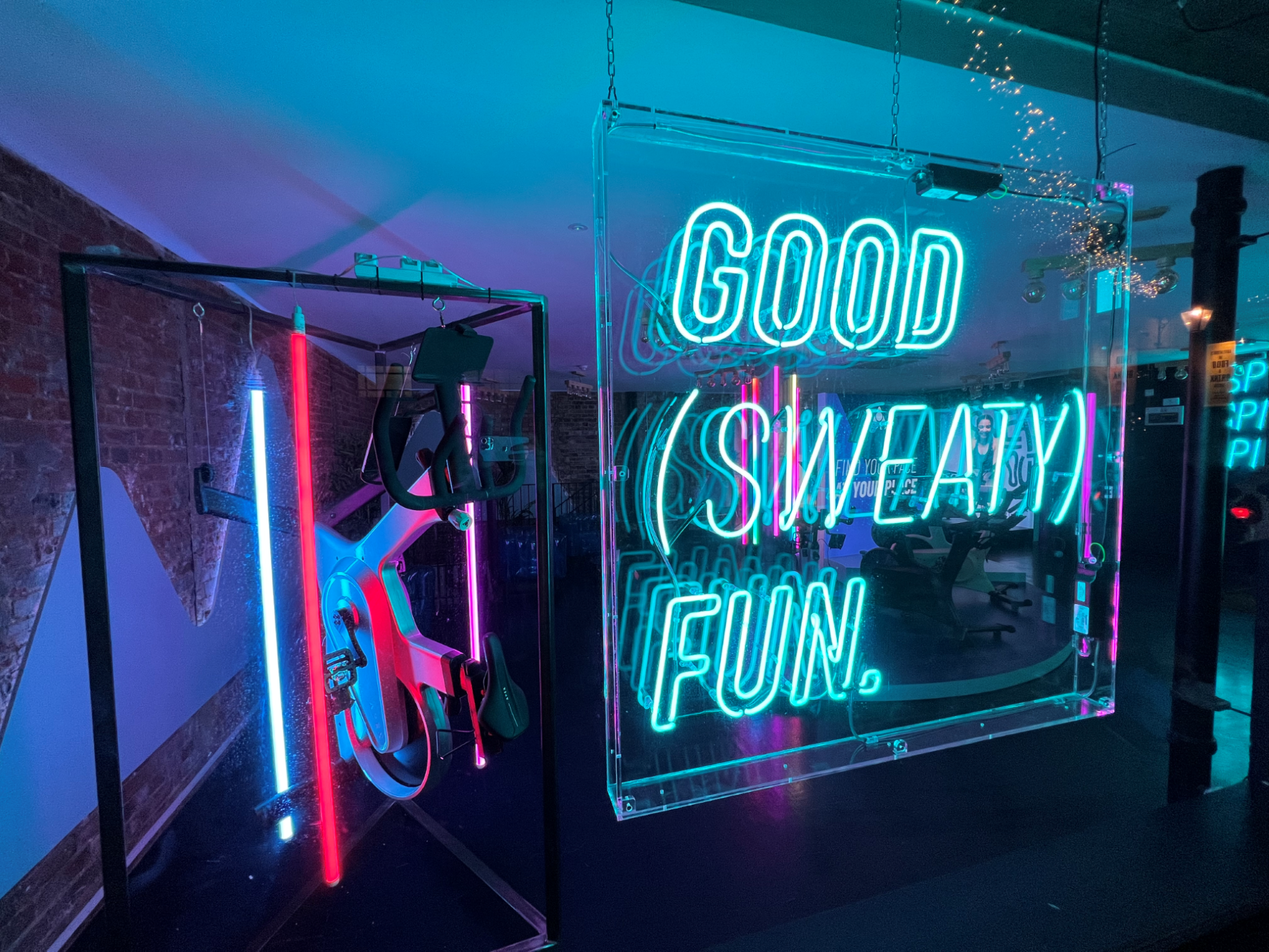
Another example is Apex Rides’ immersive pop-up in Seven Dials, designed from the ground up as a re-usable modular system. Every element – from flooring and walls to fixtures and lighting – was built for reconfiguration and redeployment, significantly reducing waste on exit. Dynamic lighting was programmed to shift throughout the day, enhancing visibility by day and atmosphere by night, showing how design agility and sustainability can coexist without reducing shopper engagement.
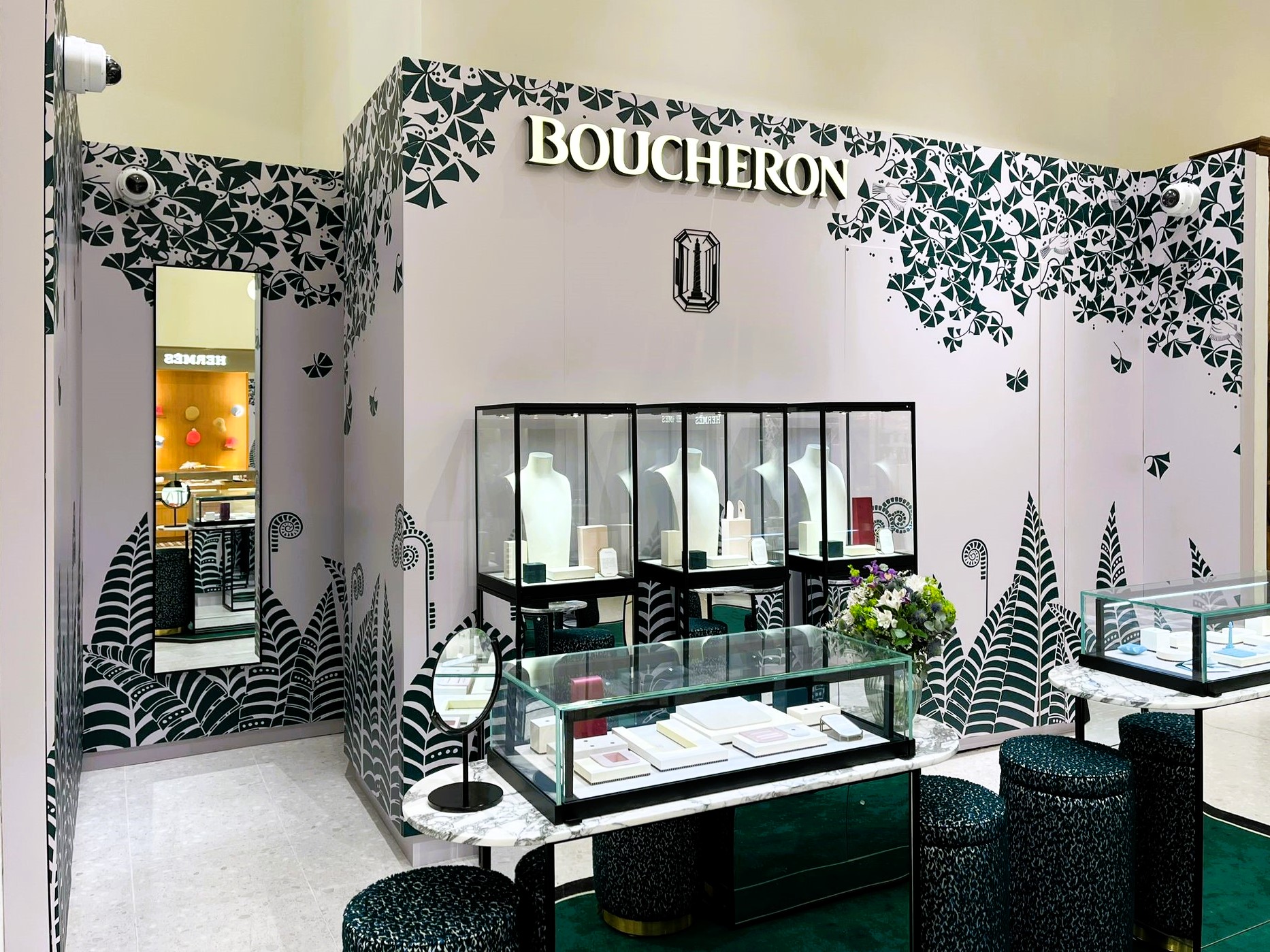
At the other end of the spectrum, Boucheron’s pop-up at Selfridges London demonstrated how luxury brands use short-term spaces to create theatre and exclusivity. High-end materials, precise detailing, and visual storytelling came together to deliver a truly elevated moment within a temporary footprint – a strong example of how experiential retail can heighten brand perception even in a transient setting.
Looking ahead to 2026, we expect pop-ups to continue rising – but with a sharper focus on purpose, measurability, and design longevity. The question is no longer should a brand do a pop-up, but how to do it meaningfully. Brands are using each activation as a learning tool, gathering insight to inform longer-term retail strategy, sustainability commitments, and customer experience design.
Ultimately, the enduring power of pop-ups lies in their humanity – bringing people, product, and place together in ways digital cannot replicate. In an era of endless scrolling, that physical spark of discovery feels more relevant than ever…
To explore how we’re helping shape the next generation of retail environments, visit:
www.northbanks.co.uk | @northbanksdesign
Keep
in
touch
Subscribe to our newsletter for latest news and industry trends.
Sign up here