What the Topshop x Vogue “Flower Market” Pop-Up Says About the Future of Experiential Retail
A look at the Topshop x Vogue “Flower Market” pop-up in London and what it reveals about the future of experiential retail. From hospitality-led environments and community-driven activations to immersive brand storytelling, the activation highlighted how modern retail is evolving beyond transaction into culture, atmosphere and engagement.
Retail Is Becoming More Social, Sensory and Community-Led
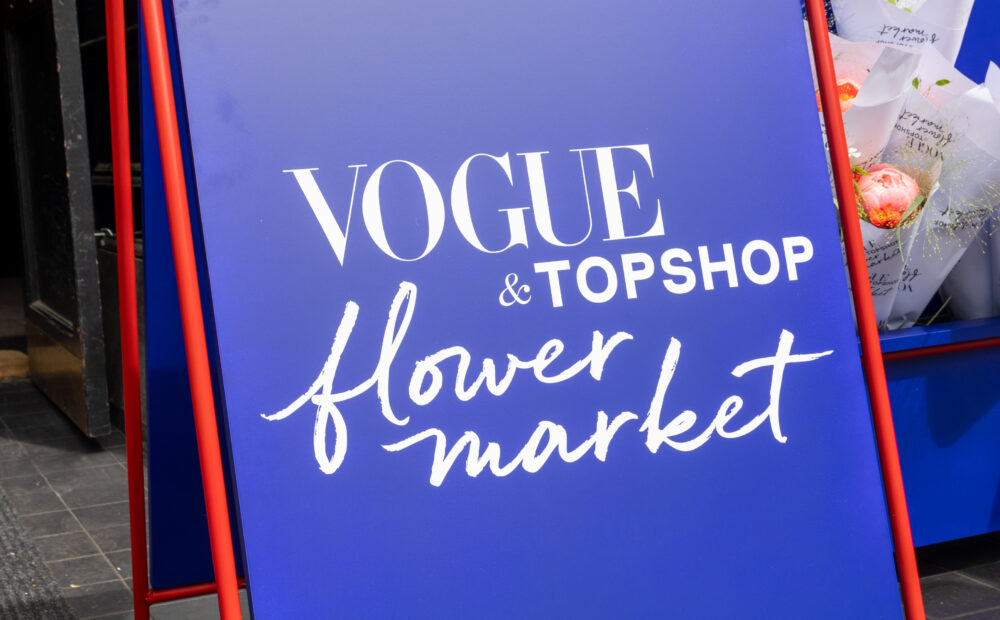
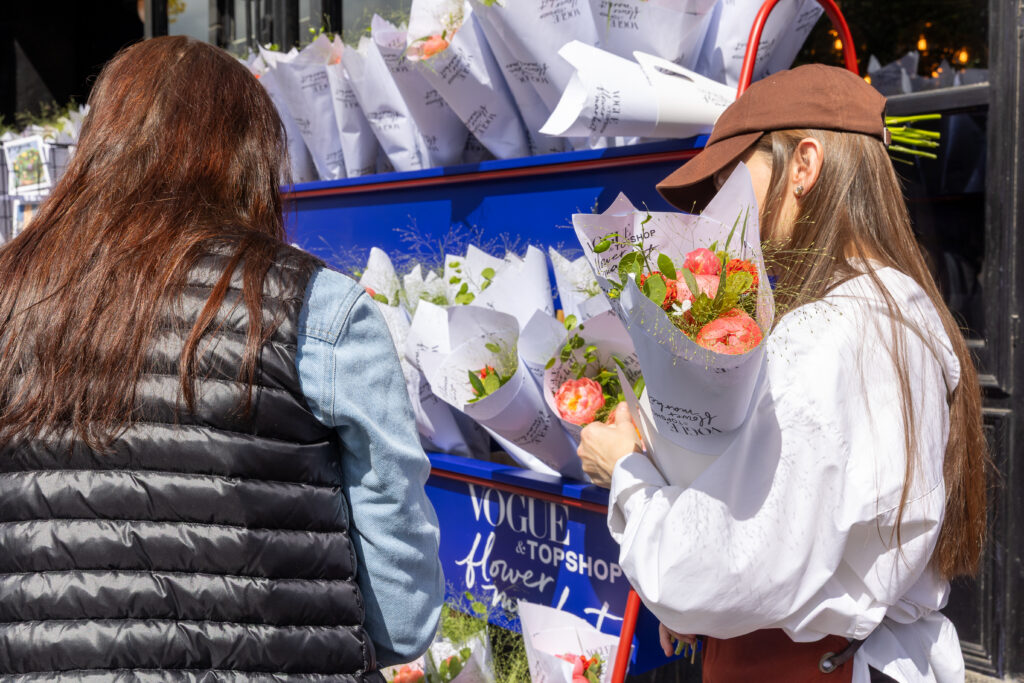
Last week, London saw the launch of the Topshop x Vogue “Flower Market” pop-up – an activation that blended fashion, hospitality, floristry, music and community into a single experience-led environment.
Hosted in partnership with Vogue, the temporary concept moved beyond the idea of a traditional retail pop-up and instead created something designed to feel immersive, social and culturally relevant.
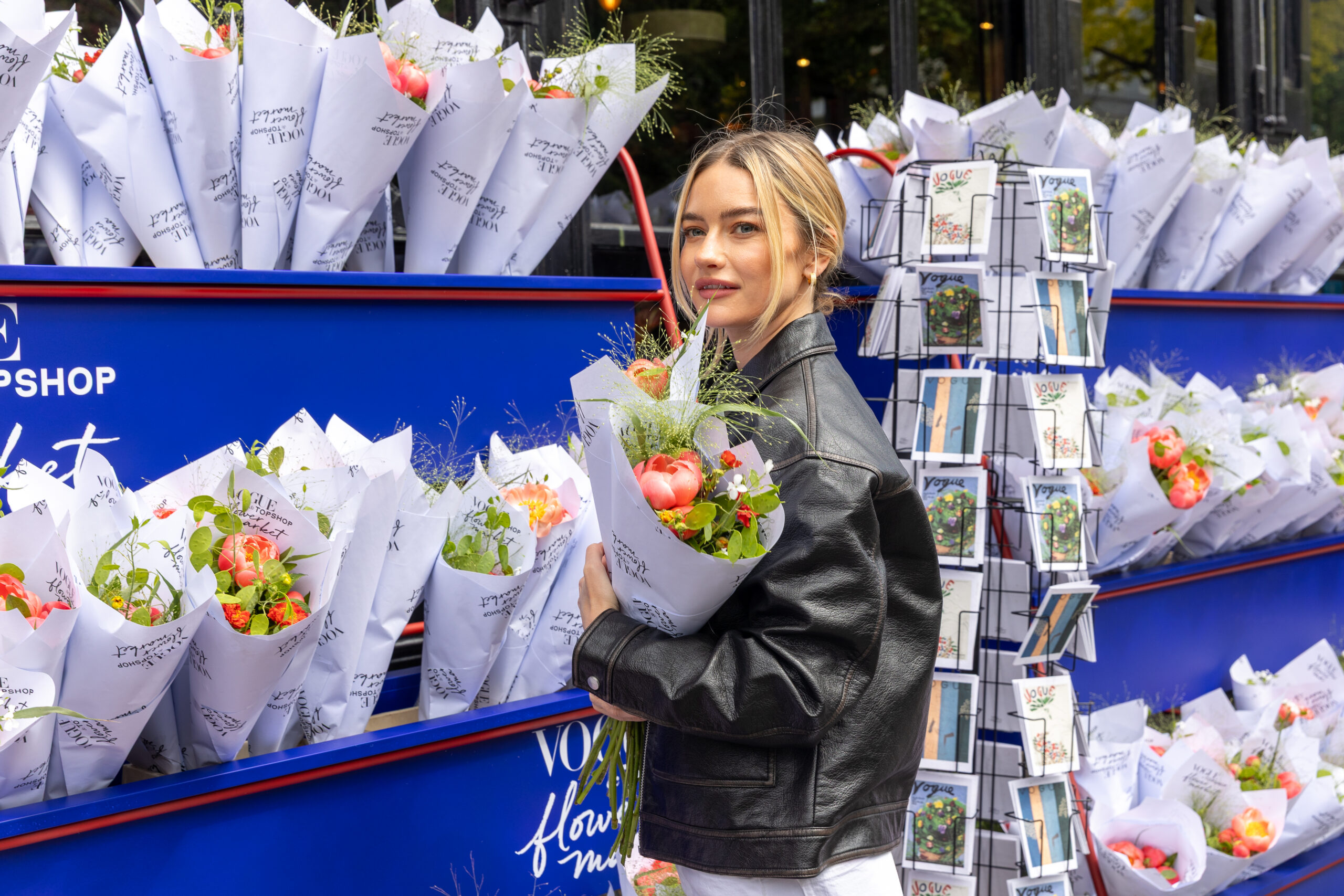
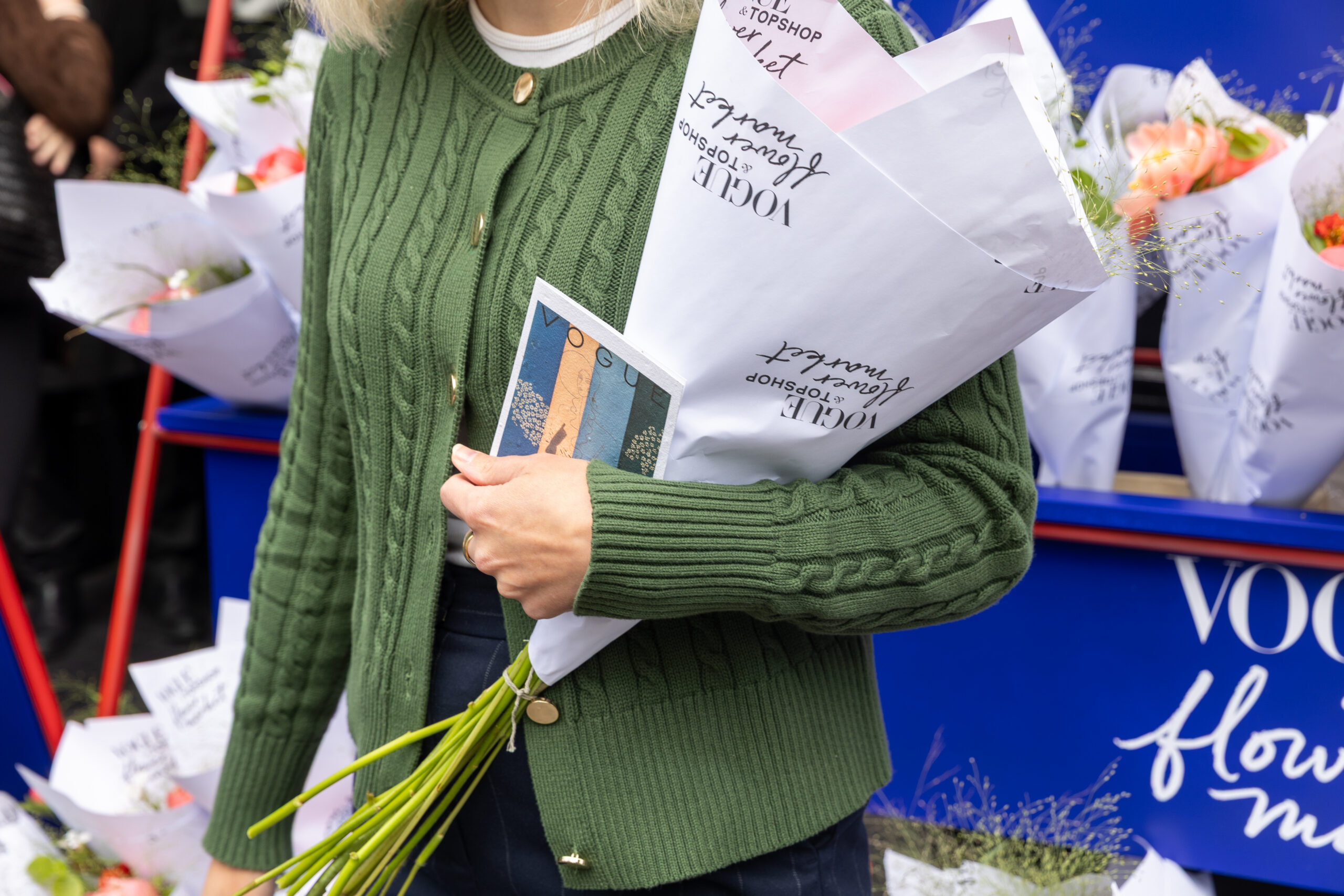
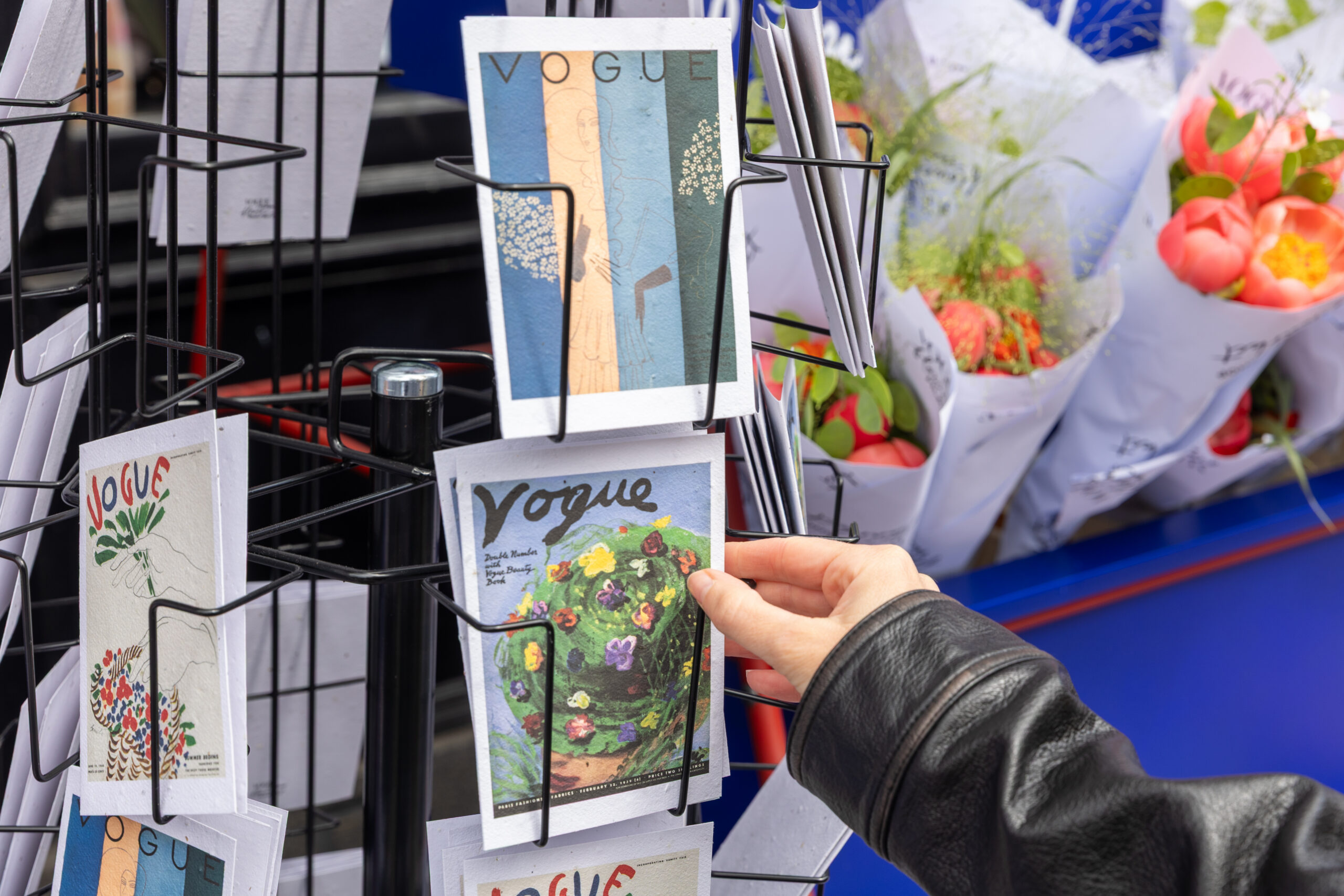
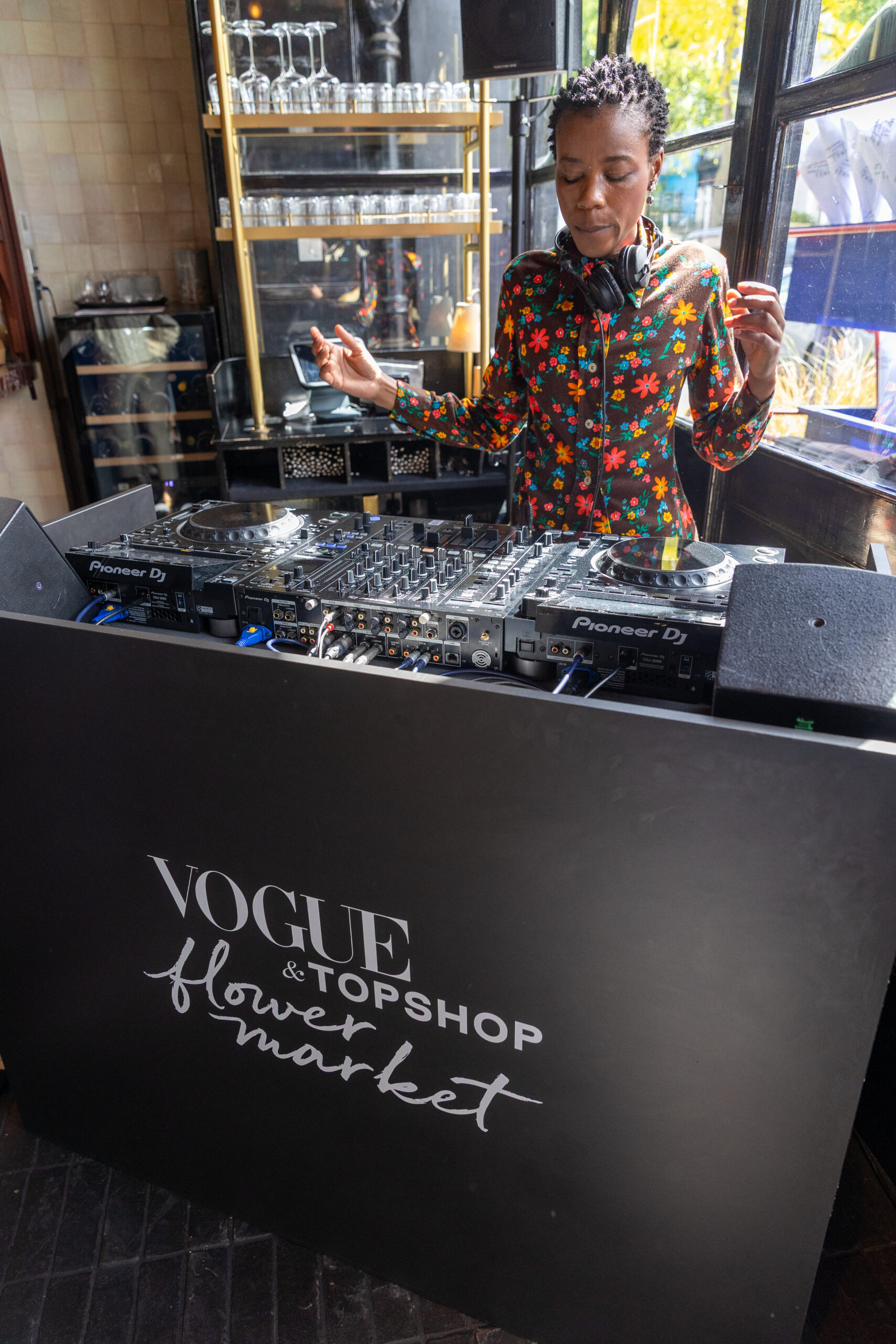
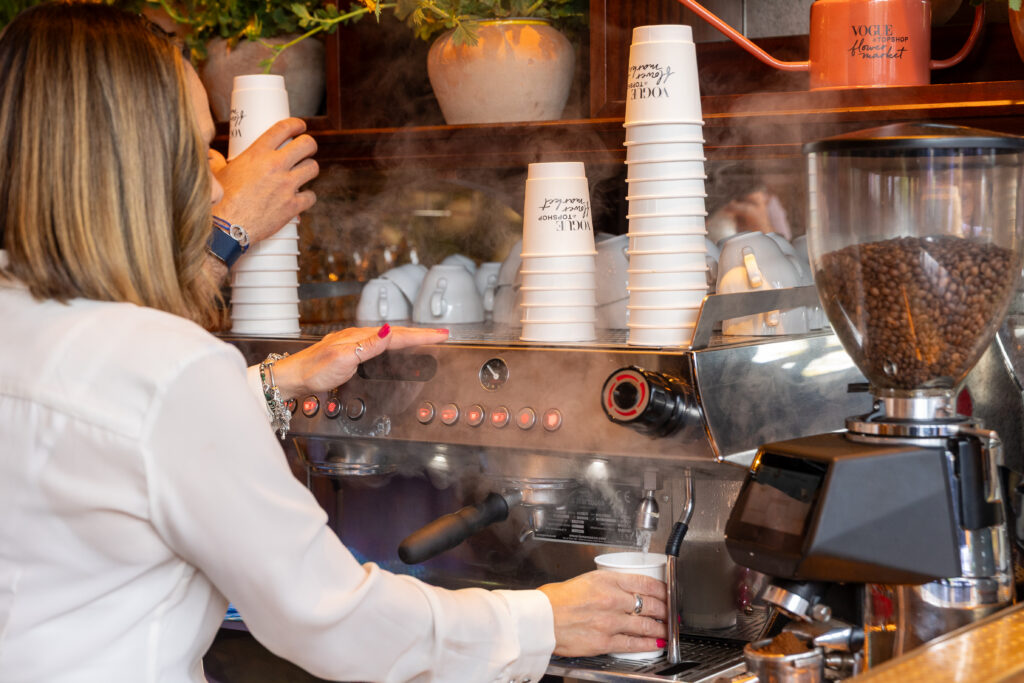
From branded florals and curated coffee moments through to live DJs, editorial styling and highly shareable visual touchpoints, the activation demonstrated how modern retail environments are increasingly being designed around engagement and atmosphere – not just transaction.
At NORTHBANKS, we’re seeing more brands move in this direction across luxury, fashion, beauty and lifestyle sectors.
Why Experiential Retail Continues to Grow
The strongest retail activations today are rarely just about displaying product.
Instead, brands are creating spaces that encourage:
- Customer dwell time
- Social sharing and user-generated content
- Emotional connection
- Community interaction
- Brand storytelling
- Cultural relevance
- Hospitality-led engagement
The Topshop x Vogue Flower Market activation was a strong example of this shift.
Rather than feeling like a temporary sales environment, the space borrowed cues from hospitality, editorial environments and destination experiences – creating an atmosphere people genuinely wanted to spend time in.
This is increasingly important in a retail landscape where physical stores need to offer something customers cannot get online.
The Blending of Retail and Hospitality
One of the most noticeable shifts in modern retail design is the continued crossover between retail and hospitality.
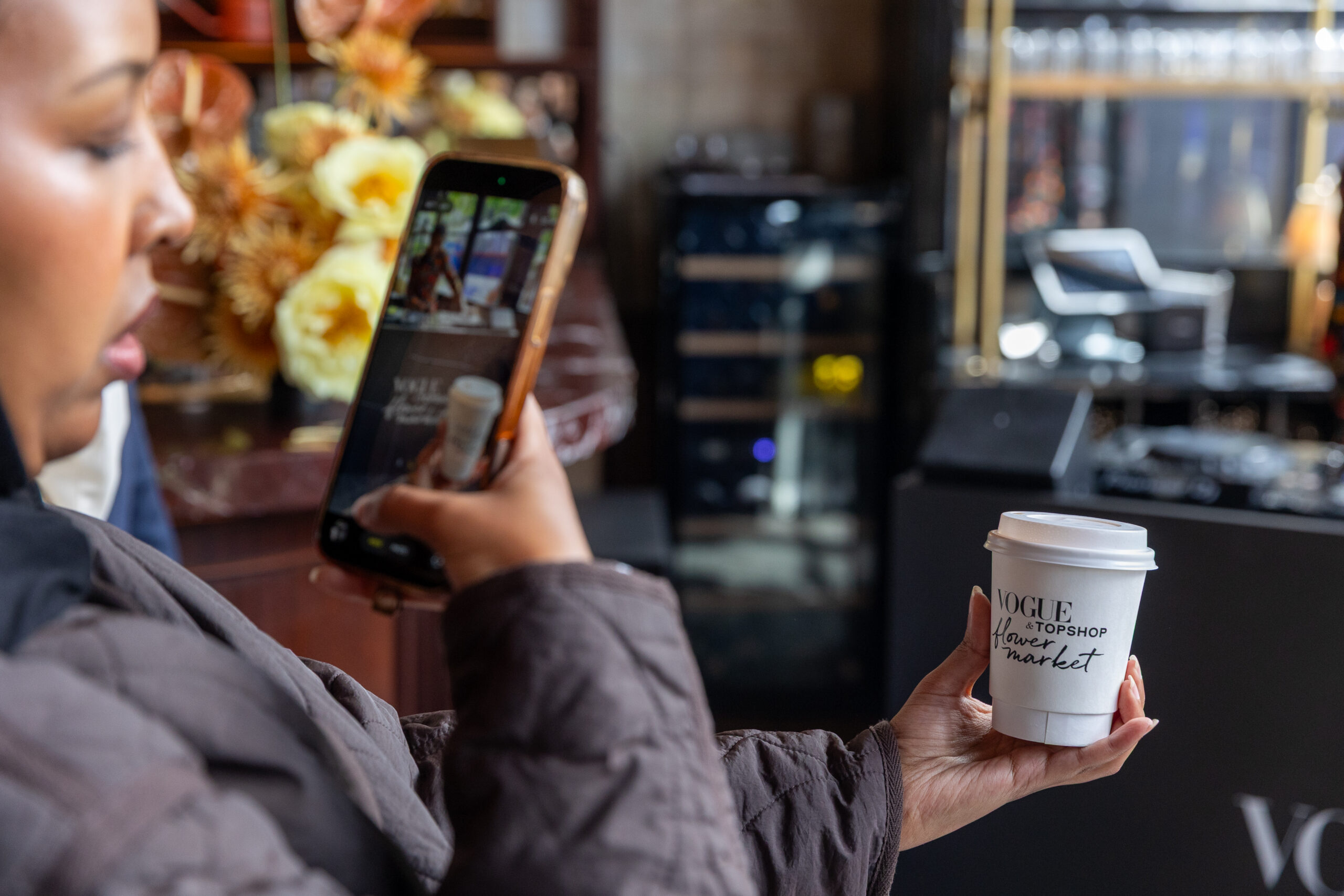
Coffee bars, curated food experiences, music, events and social moments are no longer “extras” – they are becoming part of the core customer journey.
The Flower Market pop-up leaned heavily into this approach:
- Coffee and pastries created a more relaxed environment
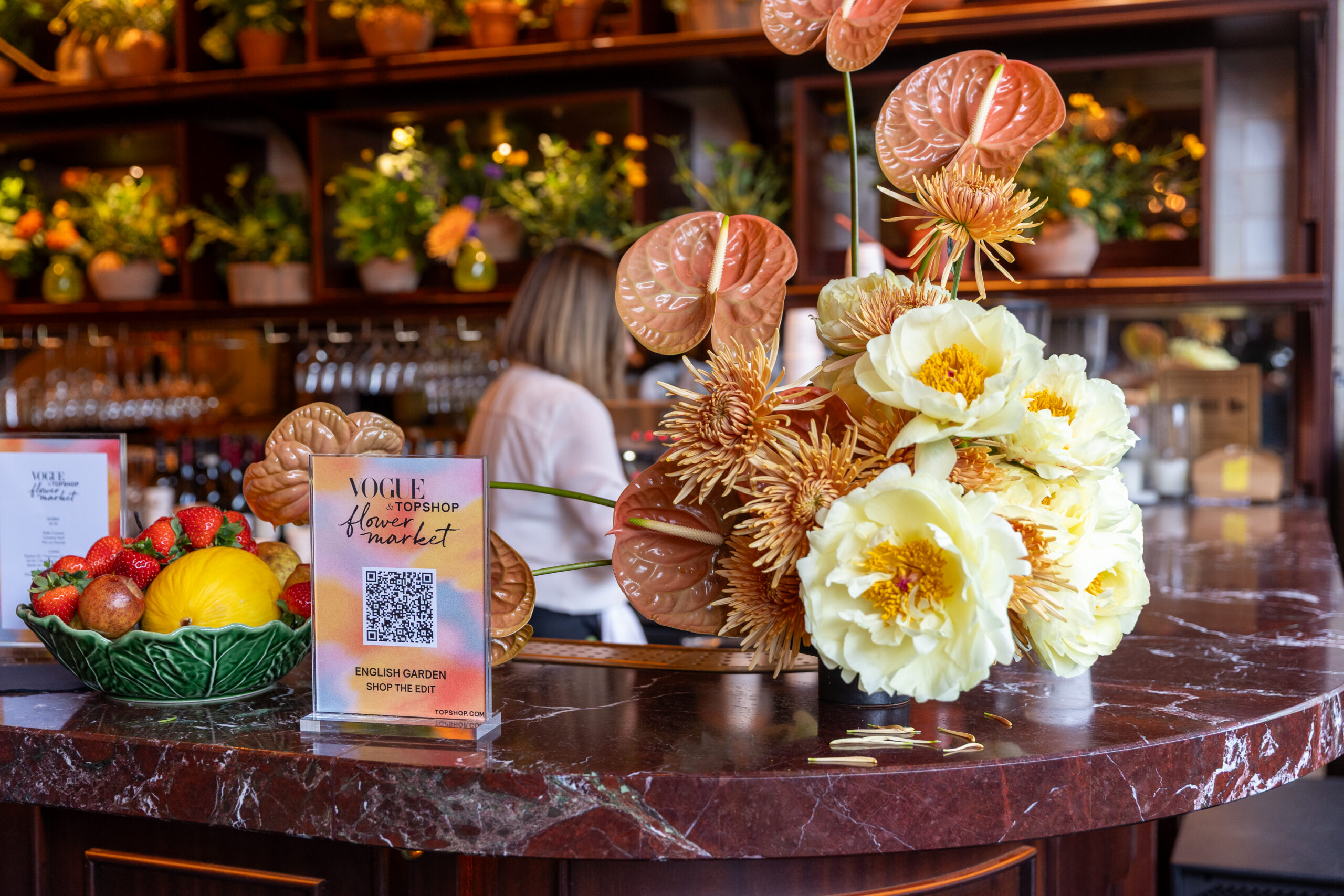
- Floral installations added theatre and visual identity
- Music and DJs created energy and atmosphere
- Editorial styling linked the physical space back to Vogue’s brand world
- QR touchpoints connected physical and digital retail journeys
The result was a retail environment that felt experiential, community-driven and highly shareable.
Why Pop-Ups Still Matter
Temporary retail environments continue to play a major role for brands because they allow:
- Fast activation
- Cultural relevance
- Market testing
- Press and influencer engagement
- Brand repositioning
- New audience reach
- Social media amplification
For heritage brands like Topshop, these activations also help reintroduce the brand into contemporary culture in a way that feels current and conversational.
When executed well, pop-ups become more than retail spaces – they become content engines, brand statements and live marketing environments.
The Importance of Atmosphere in Retail Design
One of the most interesting elements of the activation was how much emphasis was placed on atmosphere rather than hard selling.
The environment felt warm, layered and intentionally social.
This is something many brands are now prioritising:
- Softer retail environments
- Residential and hospitality-inspired finishes
- More tactile experiences
- Flexible merchandising
- Spaces designed for interaction and photography
Increasingly, successful retail design is less about fitting the maximum amount of product into a space and more about creating a memorable customer experience around the brand.
What Brands Can Learn From Activations Like This
The Topshop x Vogue Flower Market pop-up highlighted several key trends shaping the future of retail experience design:
1. Retail spaces must create emotional engagement
Customers remember how spaces make them feel.
2. Experiences drive social reach
Physical environments are increasingly designed with content and sharing in mind.
3. Hospitality principles improve dwell time
Food, drink and comfort change customer behaviour significantly.
4. Community matters more than ever
The best activations create participation, not just observation.
5. Temporary retail can have long-term impact
Pop-ups are no longer short-term gimmicks – they are strategic brand tools.
Experiential Retail at NORTHBANKS
At NORTHBANKS, we work with brands to create retail environments, pop-ups, activations and brand experiences that combine creative thinking with real-world execution.
Our work spans:
- Pop-up retail
- Experiential activations
- Store design
- Retail formats
- Fixtures and displays
- Visual merchandising strategy
- Brand experience
- Technical delivery
- Production and installation
As retail continues evolving, the most successful spaces will be the ones that blend commerce, culture, hospitality and community into experiences customers genuinely want to engage with.
The Topshop x Vogue Flower Market pop-up was a strong reminder of exactly that.
Keep
in
touch
Subscribe to our newsletter for latest news and industry trends.
Sign up here