Customers aren’t looking at the ceiling: where to spend your shopfit budget
Anyone can design a nice-looking store. The harder part is getting it built, on budget and on time and making sure it still works on a busy Saturday afternoon.
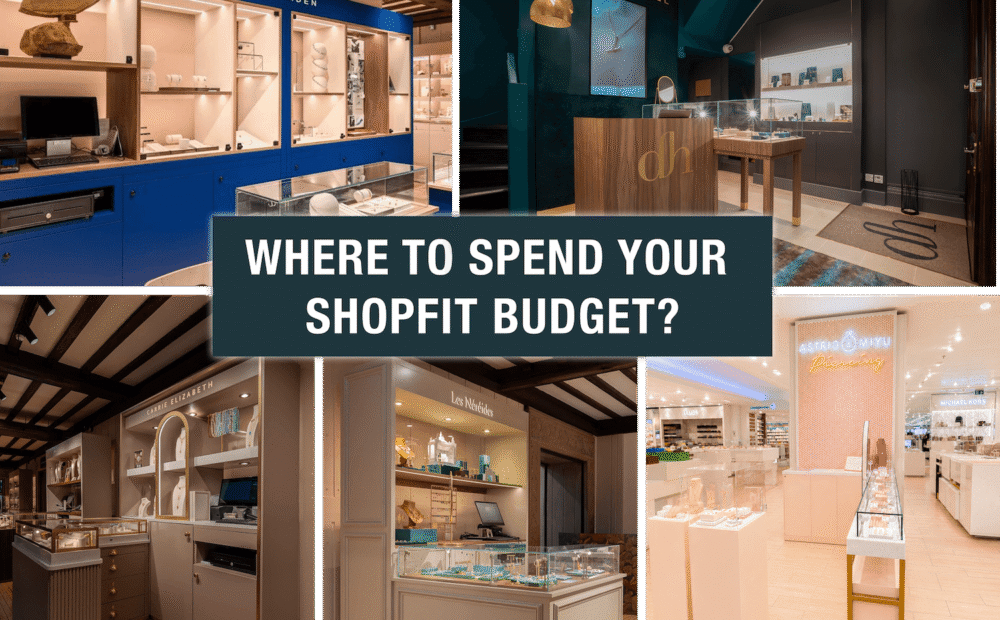
If you’re opening your first store, or working with a tighter budget than you’d like, the most useful question you can ask is this: where will the money make the biggest difference?
Here’s how we think about it.
Start with what customers actually notice
Here’s a small but important truth: customers generally aren’t looking at the ceiling!
They’re not studying the finish on a back-of-house wall or admiring the detail on something that sits above eye level. They’re looking at the product, the people and the things right in front of them.
That’s good news if your budget is limited. It means you don’t need to spend everywhere. You need to spend in the right places.
Put the money where people see, touch and remember
Think about the moments where a customer genuinely interacts with your space. These are the places to invest:
- Counters: This is where conversations happen and purchases are made. It’s a touchpoint almost every customer will experience.
- Displays: Your product is the star, so the fixtures that hold it should show it off properly and make it easy to explore.
- Materials: Customers touch surfaces, handles and edges, even if they don’t realise it. Good materials feel good and they last.
- Key brand moments: A feature wall, a signature detail or a standout header. These are the things people remember and photograph.
Get these beautifully made and properly aligned with your brand and the whole space feels considered. Spread the same budget thinly across everything and nothing quite gets the attention it deserves.
We took this approach with Carrie Elizabeth’s first concession at Liberty London. With a compact footprint and a first-concession budget, we focused investment on the jewellery presentation, the lighting, the principal surfaces and the distinctive brand details. Those were the elements that would make the biggest difference to how the space felt.
Don’t forget the things people feel without noticing
We said ceilings aren’t a big deal. Lighting is a different story!
Great lighting can completely change how your product, your materials and your customers look and feel. The same piece of jewellery, the same fixture and the same finish can look ordinary or fantastic depending on how they’re lit. It’s one of the best-value things you can spend on.
And lighting is only the start. Sound, scent and touch all shape how a space feels too. Physical retail should engage more than just the eye and it’s often the small subtle things that make someone want to stay a bit longer.
Think about your team too
It’s easy to design a space purely around the customer. But someone has to run it every day.
Your team will be serving customers, getting into storage, replenishing stock, wrapping gifts, taking payments and keeping everything looking its best. If the space doesn’t work for them, it won’t work properly for customers either.
That’s why practical details are worth budgeting for:
- storage that’s easy to reach but out of sight;
- somewhere sensible to wrap a purchase; and
- tills and cables that are neatly sorted.
They don’t always show up in the opening-day photos, but they make a huge difference on a busy Saturday.
Bring the delivery team in early
A budget isn’t only about what you spend. It’s also about what you avoid wasting.
There’s little point specifying a beautiful material with an 8-week lead time when you’ve got 4 weeks until opening. Involving the people who will manufacture and install your store early means you find out about costs, lead times and practical limits before you’ve fallen in love with something you can’t have.
It also helps you understand what a change will mean before you commit to it, rather than discovering it halfway through production.
Three quick questions to guide your spending
When you’re deciding whether something deserves a bigger share of the budget, try asking:
- Will customers see it, touch it or remember it? If yes, it’s a strong candidate for investment.
- Does it help the team do their job well? If it makes serving customers easier, it’s usually worth it.
- Does it shape how the product looks and feels? Lighting and display quality often pay back more than almost anything else.
If the answer to all 3 is “No”, it might be somewhere you can save.
The takeaway
Good shopfitting isn’t about spending more. It’s about spending with thought: investing in what customers experience, supporting the people who run the space and planning well enough that the store opens when everyone says it would.
Planning your first store, concession or pop-up and want to make every pound count? We’d love to talk it through with you.
Keep
in
touch
Subscribe to our newsletter for latest news and industry trends.
Sign up here

