How has retail store design evolved over recent years
In this ‘evolve or die’ retail environment, some brands have taken store design to dizzy new heights, while others have withered on the vine.
How has retail store design evolved over recent years?
In this ‘evolve or die’ retail environment, some brands have taken store design to dizzy new heights, while others have withered on the vine.
The rapid growth of ecommerce forced an evolution in physical retailing. And more recently, inclement weather trends, increasing transportation costs and widespread economic uncertainty have made it harder still to convince shoppers to venture out and part with their hard earned cash.
But it’s not game over for physical retail – it’s just a new level. There’s too many elements of the in-store shopping experience that, when well executed, cannot be replicated online. Many brands and retailers are harnessing this opportunity and using store design to successfully capture the attention and loyalty of their target shoppers. Here’s how:
When it comes to the evolution of store design, essential focus areas have shifted in recent years to include convenience, entertainment and personalisation.
A store must provide a convenient and frictionless experience, with a layout and location that works for the target shopper, technology to enable speedy transactions or returns, and the ability for customers to try before they buy with access to expert advice.
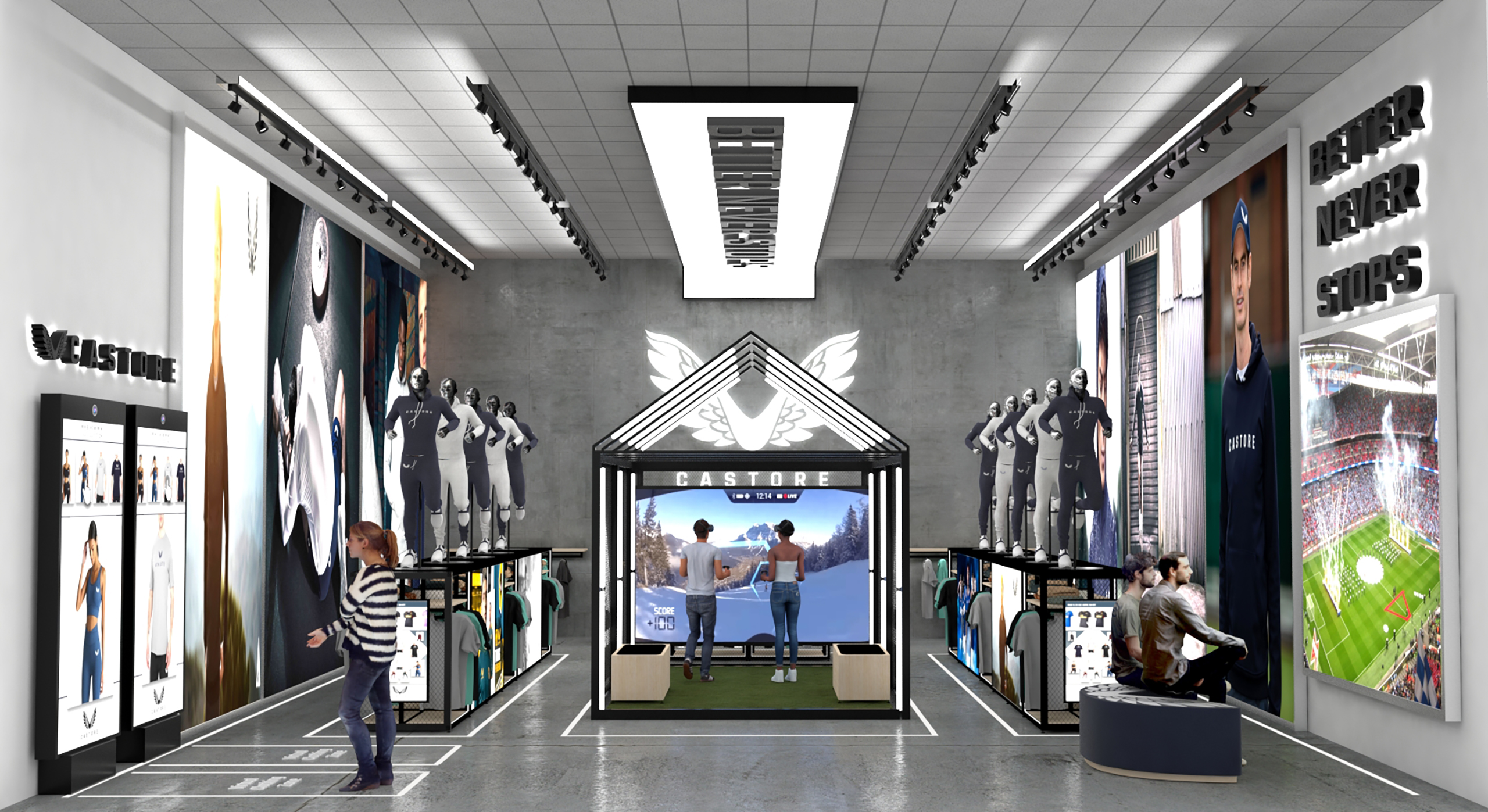
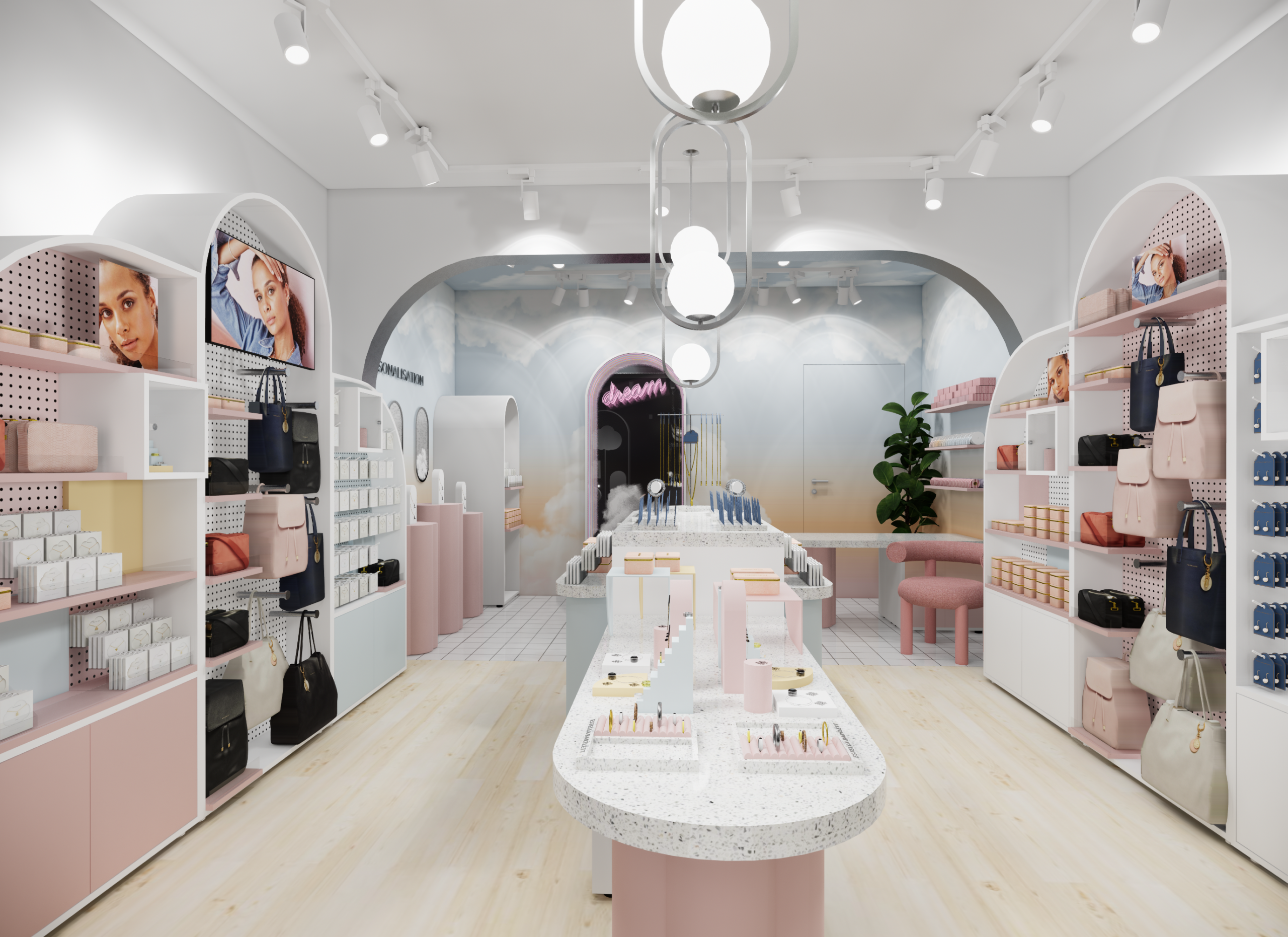
A store should also be a source of entertainment and experience, with fresh visual merchandising, features that imaginatively showcase products, and tangible extras such as events and live demos to draw shoppers back through the doors.
Some brands use stores to provide a more personalised shopping experience too, with tailored assistance, bespoke rewards and even customised products.
But the next frontier of store design goes beyond these fundamentals.
Forward-thinking brands are now also using store design to appeal to the growing number of purpose-driven shoppers. By showcasing their values in-store, for example, companies can reassure shoppers they’re a brand they can trust and cement their loyalty. While this helps brands meet the evolving expectations of shoppers, it also helps attract and retain purpose-driven store employees.
What’s more, instead of viewing websites and stores as competing and cannibalising operations, we’re increasingly seeing innovative brands using store design to bridge the gap between the two, creating the ultimate unified retail experience.
If stores are the window to a brand, it makes sense that they should help drive website transactions and complement online operations too.
Keep
in
touch
Subscribe to our newsletter for latest news and industry trends.
Sign up here