Editorial
How has the role of the retail store changed over the years and what are the next big predictions for our stores of the future?
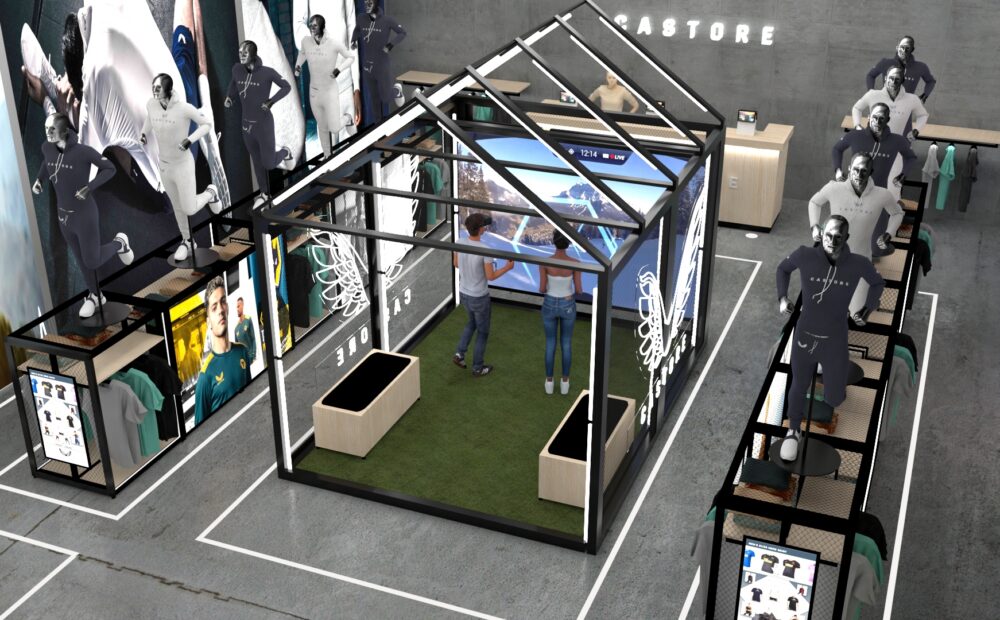
How has the role of the retail store changed over the years and what are the next big predictions for our stores of the future?
The Evolution of Retail: A Journey Through Time and Space
Once upon a time, in a world before e-commerce and social media, retail stores were the beating heart of the shopping experience. But as the world evolved, so did our shopping habits. And thus, the humble store had to adapt to the ever-changing landscape of retail.
From mere transactional spaces, stores have now transformed into brand experience hubs, where customers can embark on a multi-sensory journey through various touchpoints, both online and offline. Be it browsing through a store, engaging with brands on social media, availing customer services, or even attending events, the modern retail store is a melting pot of experiences.
The Art and Science of Store Design and Visual Merchandising
Good store design has always been about more than just transactions. It was, and still is, about creating a physical manifestation of the brand and presenting its products and services in the most captivating way. This involves a delicate balance of art and science, considering all senses to create a truly immersive experience.
Stores were initially designed to showcase products and facilitate customer services, with amenities like seating areas, cafes, and gift wrapping stations. But the dawn of the digital age brought along new forms of display and interaction, with technology like augmented reality still evolving. However, can anything really beat the joy of trying on an item and experiencing its fit, look, and feel in person? That’s the magic of a physical store.
AI and the Human Touch
As artificial intelligence (AI) continues to make strides, some may wonder if it could replace salespeople. But then, what would be the point of visiting a physical store? If technology can make shopping from home a seamless, easy, and fun experience, the physical store must offer something more – an experience that technology simply cannot replicate.
As social animals, humans crave face-to-face interaction, and that’s where the store can truly shine. By offering a space for human interaction and building brand loyalty, stores can stay relevant in an increasingly digital world.
The Future of Store Design: Challenges and Opportunities
As we move forward, store design will need to focus on creating interactions and experiences while still catering to the basic needs of product display and customer services. Efficiently utilizing space will be a challenge, with flexibility and modularity becoming crucial aspects of store design.
Another issue that cannot be ignored is sustainability. With new stores being built and renovated constantly, the retail industry generates a considerable amount of waste. As customer expectations shift towards more eco-friendly practices, brands must align with these values and make sustainable choices the norm rather than an exception.
Adapting to the Customer: The Root of All Design
Ultimately, everything comes down to one central point: the customer. Retail has always adapted to their needs and desires, with some retailers leading the way and others following suit. But at the end of the day, the key to success lies in attracting and retaining customers through engaging store experiences, and that will always be the driving force behind store design.
Keep
in
touch
Subscribe to our newsletter for latest news and industry trends.
Sign up here